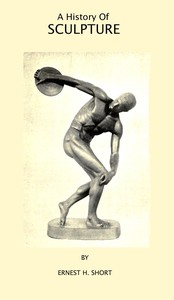
A History of Sculpture by Ernest Henry Short
Review: A History of Sculpture – By Ernest Henry Short
You’ve probably walked past a thousand sculptures in your life without stopping. Ever notice how that one looks a bit off? Or why a face suddenly looks sad instead of brave? Ernest Short wrote this book to answer all those nagging ‘huh? maybe?’ questions the rest of us feel but never ask.
The Story
Short walks you through how technique changed over time, but he does it like a person, not a textbook. Start with a cramped, formal carving in Egypt. Everything straight, strict. Then watch a few dizzying moments. The Greeks rebel and make statues breathe. They look real. Then in the Roman era, everyone copies the Greek stuff but adds some drama. Skip ahead to the Middle Ages: suddenly, art goes skinny and emotional again. The Renaissance carvers attacked this ‘divine’ marble, showing off. By the Victorian years? Busy, messy, chaotic faces. This isn’t just progress; it’s people fighting taste. And oh, Short keeps you laughing, noting why a saint’s ear was made too big.
Why You Should Read It
Lots of history books make you feel dumb. ‘See the subtle nuance!’ they say, and you just feel lost. Short never does that. He breaks sculpture into a fight between tradition, power, and the artist showing off. See a full, dramatic statue by Bernini (with the twisted bodies)? He explains how that guy saw Michelangelo’s famous unfinished slaves and decided, ‘I can do that but more crazy!’, plus a bit about a Pope who hated him. All behind the scenes. The best part: Short introduces a kick-butt ancient tradition, says who wrecked it, and sneaks a cool detail about how some carvers faked a style to impress richer clients. He has gossip, personal opinions, and rage – making it feel like high-quality loose talk between two strangers in an airport lounge.
Final Verdict
If you ever looked at a sculpture and thought, well, what is that? This is life-changing. Perfect for the history curious, accidental museum visitor, or anyone wanting friends to think you know fancy art secrets. Not for scholars seeking university tenures. This is about everything else: blood, cheese, vanity, new tricks, a forgotten pile of politics.
This content is free to share and distribute. It is available for public use and education.