
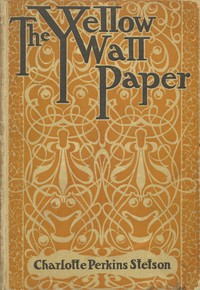
The Yellow Wallpaper by Charlotte Perkins Gilman
If you're looking for a classic that reads like a modern psychological thriller, you've found it. Written in 1892, Charlotte Perkins Gilman's The Yellow Wallpaper is a short story that packs a massive punch. It’s presented as the secret journal of a woman whose name we never learn, giving the whole thing an immediate, private, and unsettling feel.
The Story
Our narrator has recently had a baby and is suffering from what her physician husband, John, calls a "temporary nervous depression." He prescribes the fashionable 'rest cure': total isolation, no work, no writing, and especially no imagination. They rent a grand, old country house for the summer, and she’s confined to a former nursery on the top floor. The room is airy but strange, with bars on the windows and, most offensively, hideous, ripped yellow wallpaper.
Bored and lonely, she becomes obsessed with the wallpaper's chaotic pattern. She starts to see a sub-pattern behind the main design, like the bars of a cage. Then, she sees a woman stooping and crawling behind those bars, trying to get out. As her isolation deepens and her husband dismisses her growing distress, her fixation becomes all-consuming. The story builds to a climax that is both shocking and heartbreakingly logical, a raw cry against being silenced and controlled.
Why You Should Read It
This story is a masterclass in creeping dread. Gilman doesn't use jump scares; she builds horror through the slow, sure unraveling of a perceptive mind. You feel every bit of the narrator's frustration, her intelligent observations being written off as 'fancies.' The real monster here isn't a ghost—it's the condescending 'care' of her husband and the medical establishment of the time, which treated women's minds as fragile things to be managed, not heard.
What gets me every time is how current it feels. It’s a powerful story about agency, about what happens when someone is told their reality isn't real, and about the desperate, sometimes destructive, need to be seen. The narrator’s relationship with the woman in the wallpaper is one of the most compelling and tragic portraits of a fractured self in literature.
Final Verdict
Perfect for readers who love gothic atmosphere, psychological deep-dives, and stories with a sharp feminist edge. It’s essential for anyone interested in the history of women's rights and mental health. At under 50 pages, it’s the kind of story you can read in one sitting, but it will stick with you for a long, long time. Just maybe don’t read it in a room with old wallpaper.
This content is free to share and distribute. Enjoy reading and sharing without restrictions.
Charles Martin
8 months agoExceptional clarity on a very complex subject.
Jennifer Perez
8 months agoUnlike many other resources I've purchased before, the language used is precise without being overly academic or confusing. Truly a masterpiece of digital educational material.
Matthew Smith
3 months agoBased on the summary, I decided to read it and the plot twists are genuinely surprising. Truly inspiring.



Charles Lopez
1 month agoIt’s rare to find such a well-structured narrative nowadays, the objective evaluation of the pros and cons is very refreshing. I am looking forward to the author's next publication.